A finished piece of jewelry can look effortless. Building the business behind it rarely is. Pam Baker's Touch of Culture operates where creative practice, cultural knowledge and commerce meet.
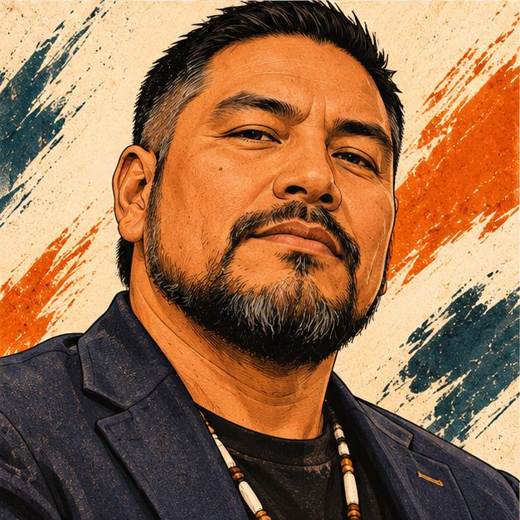
Baker, also known as Himikalas/Sewid-duuk, is a Sḵwx̱wú7mesh, Kwakiutl and Tlingit designer and cultural advocate. BC Achievement describes Touch of Culture as a West Vancouver creative fashion business producing handcrafted beadwork, accessories and wearable art.
More than the product
The company's work draws from traditional knowledge and from Baker's own journey of reconnection. Those sources are not a marketing trend; they shape what she chooses to make and teach.
The business includes workshops and mentorship, giving cultural and creative knowledge a place in a commercial setting without making sales the only measure of value. That difference matters when Indigenous entrepreneurs are expected to be both artists and educators, often at the same time.
The recognition
In 2025, Touch of Culture received BC Achievement's Indigenous Business Award for a one-to-two-person enterprise. The category itself is revealing: a small business can have a cultural reach far larger than its staff count.
It's the kind of story Vibe Tribe wants to tell more often. Not every business grows by chasing scale at all costs. Some grow by deepening the work, making opportunities for others and finding customers who recognize the care behind what they buy.
Decades before the current wave
Himikalas Pam Baker’s fashion story reaches back to 1988. A designer of Squamish, Kwakwaka’wakw, Tlingit and Haida ancestry, Baker developed a practice combining traditional visual knowledge with contemporary garments, accessories and presentation. Her history belongs to a longer timeline than the sudden visibility Indigenous fashion sometimes receives in mainstream publications.
Baker studied design in Los Angeles at Otis College of Art and Design and went on to build Touch of Culture and the T.O.C. Legends House of Design. Her business profile describes reconnection through the teachings of Elders as an important foundation of the work.
Design as a form of knowledge sharing
Beadwork, jewellery, textiles and couture occupy different price points and contexts, but Baker’s practice links them through cultural memory and careful making. A garment can carry a visual story, and a workshop can teach someone how to make their own connection to materials and design.
Her contribution extends into mentorship and collaboration. Vancouver Indigenous Fashion Week recognizes her as a longstanding advocate for Indigenous fashion and emerging designers, not just as someone producing clothing for runway events.
The business behind the art
It is easy to write about a fashion brand as though its only work happens on a catwalk. Maintaining a label over decades also means sustaining customers, managing production, teaching assistants and adapting to changes in the market. Baker’s history demonstrates the durability required for an Indigenous-led design house to keep its identity through those shifts.
The next important interview is one about method: what knowledge can be shared publicly, what stays with community, and how does a fashion business respectfully create room for new makers? That is a more serious conversation than simply calling a collection beautiful.
Hear it. See it. Follow the work.
A profile is a starting point. Experience the actual song, performance, release or project through the creator’s own channels.
Reported from credited public interviews, company biographies, festival or institutional records and published filmographies. Vibe Tribe did not conduct an exclusive interview for this story.