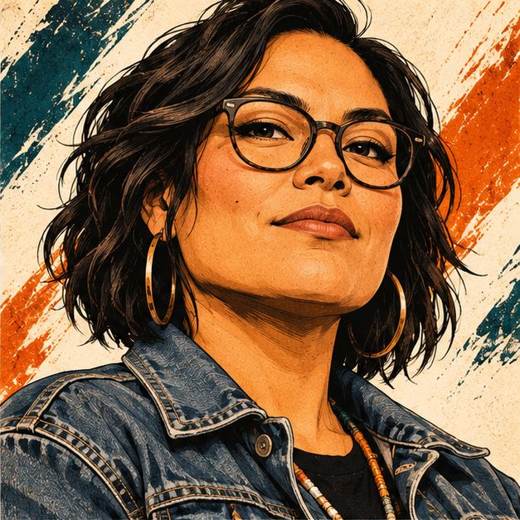

Jessie Anthony’s first feature went through two kinds of public test. At the 2020 Vancouver International Film Festival, Brother, I Cry won the BC Emerging Filmmakers Award. At imagineNATIVE, it won an Audience Choice Award. The distinctions sit side by side in Telefilm Canada’s annual report. Viewers and a festival jury both singled out a drama about what it costs to keep reaching for someone who is struggling with addiction.
Anthony is Onondaga, Beaver Clan, and was born and raised at Six Nations of the Grand River. She trained at Capilano University’s Indigenous Independent Filmmaking Program. Telefilm’s Talent to Watch program supported her debut, and the Leo Awards later recognized her writing and direction. Watch Brother, I Cry for the scenes where family members cannot agree on what helping looks like. That tension is where the premise becomes a story about people making difficult decisions.
What happens before a story reaches a screen
Anthony later produced Querencia, an Indigenous queer series. The National Screen Institute traces the project through an imagineNATIVE pitch competition and a broadcast deal with APTN and the Bell Fund. Anthony’s work as a producer is part of the explanation for how the series was able to travel from a pitch to an audience.
Her credits also include the writers’ room for Acting Good and a directing mentorship on The Handmaid’s Tale with Dana Gonzales. The National Screen Institute lists Anthony in the other chair, too, as a STORYHIVE mentor. The combination shows how a career can move between making a debut, learning on an established set and helping someone else get a script ready to shoot.
Following the credits past the debut
Follow Brother, I Cry into the festival records and a second set of roles comes into view. Telefilm records the support and festival results. Pender PR’s account documents publicity at VIFF and imagineNATIVE, where the work of getting a film in front of viewers continues long after shooting wraps. The National Screen Institute records Anthony as director, producer and mentor across different projects. Together those accounts show exactly where an independent filmmaker needs other people, and where Anthony has been able to do that work for somebody else.
Hear it. See it. Follow the work.
Explore the work through the artist’s and presenters’ official channels.
Reported from credited public interviews, company biographies, festival or institutional records and published filmographies. Vibe Tribe did not conduct an exclusive interview for this story.
Sources & further reading
- Vancouver International Film Festival — Indigenous Advisory Council
- Jessie Anthony film credits
- Telefilm Canada annual report on Brother, I Cry’s festival awards
- Pender PR’s record of the Brother, I Cry festival campaign